

OUR INSIGHTS

From Survival Funding to Equity: How Women Entrepreneurs Build Companies That Scale
May 14, 2026
For many women entrepreneurs, the journey begins with survival funding.
A credit card. A personal loan. Friends and family. Revenue reinvested month after month just to keep the business moving forward.
Women founders are resourceful. They learn to stretch every dollar, operate lean, and build resilient companies under pressure. Yet too often, women-owned businesses remain trapped in a cycle of undercapitalization — growing through grit instead of growth capital.
The challenge is not a lack of innovation, leadership, or market opportunity. It is access.
Moving from survival funding to equity investment is one of the most important transitions an entrepreneur can make. It shifts a founder from simply sustaining a business to building a company capable of scaling, hiring, innovating, and creating long-term enterprise value.
And we have powerful examples of what happens when women entrepreneurs successfully make that leap.
The BoomChickaPop Story
Angie Bastian’s BOOMCHICKAPOP began as a small entrepreneurial venture she founded with her husband in Minnesota. Like many women entrepreneurs, she started the company with determination, hustle, and a focus on building a product consumers genuinely loved.
As Angie mentioned at the Women’s Capital Summit last year, what transformed the company was not the product itself — it was seizing the ability to scale.
As demand grew, the company expanded distribution, strengthened operations, invested in branding, and positioned itself for accelerated growth. Ultimately, BoomChickaPop was acquired by Conagra Brands in a deal reportedly valued at approximately $250 million.
Angie’s journey reflects a reality many women founders understand deeply: there is a critical difference between running a successful small business and building an equity-backed company positioned for expansion and acquisition.
Why Women Often Stay in “Survival Mode”
Women entrepreneurs continue to face systemic barriers in capital access.
Many founders:
- Bootstrap longer than male counterparts
- Undervalue their companies
- Lack access to investor networks
- Receive limited mentorship on equity strategy
- Focus on revenue survival instead of valuation growth
- Are encouraged to remain “small and sustainable” rather than scalable
At the same time, investors often overlook businesses solving real market problems because their women founders may not fit traditional venture-backed profiles.
The result is a major missed economic opportunity.
Women-owned businesses represent one of the largest untapped growth engines in the economy. Yet too few women founders receive the capital necessary to move from operator to enterprise builder.
The Shift: Thinking Like a Growth Company
Moving from survival funding to equity requires a shift in mindset and infrastructure.
Founders must begin asking:
- How do I build systems that scale?
- What does my business look like at 10x growth?
- What data do investors need to see?
- How do I build recurring revenue and enterprise value?
- What partnerships accelerate growth?
- What type of capital best fits my stage of business?
Not every business needs venture capital. But every founder should understand the capital landscape — including angel investment, venture debt, growth equity, strategic partnerships, revenue-based financing, and private equity pathways.
Equity capital is your fuel for expansion, hiring, technology, operations, and market access.
Building Capital Pathways for Women Entrepreneurs
At Women Business Collaborative, we believe women entrepreneurs deserve access to finance.
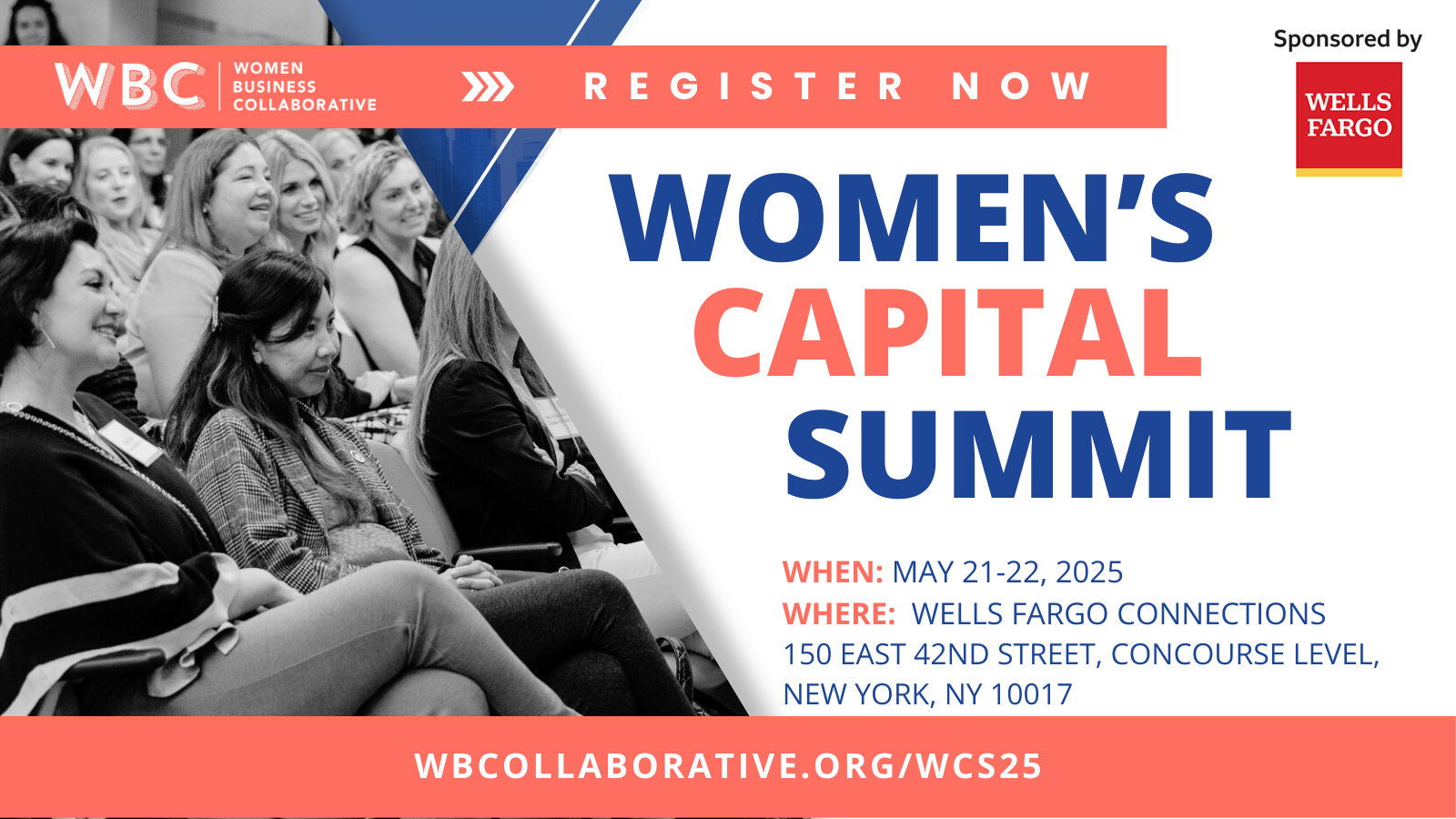
That is why WBC is building platforms like the Women’s Capital Summit, which is designed to bring together entrepreneurs, investors, financial institutions, and ecosystem leaders to create real pathways to growth capital.
The future of women’s entrepreneurship depends on moving beyond conversations about scarcity and into strategies for scale.
When women entrepreneurs gain access to capital:
- Companies grow faster
- Innovation expands
- Communities prosper
- Jobs are created
- Wealth gaps narrow
- Entire industries evolve
The next generation of iconic brands, transformative technologies, and high-growth companies will include women founders. But getting there requires ecosystems that invest in women as builders of scalable enterprises.
The question is no longer whether women entrepreneurs are ready for investment. The question is whether the investment community is ready to recognize the opportunity.
Where Capital Moves
The transition from survival funding to equity is not just a financial milestone. It is a leadership transition.
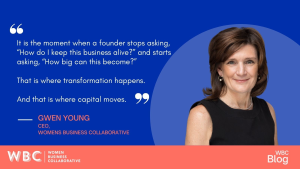
It is the moment when a founder stops asking, “How do I keep this business alive?” and starts asking, “How big can this become?”
That is where transformation happens.
And that is where capital moves.
- Join us at the 2026 Women’s Capital Summit, October 6-7 in New York City – connect with capital providers, investors, business leaders and other women entrepreneurs and get those vital conversations started.
Author
-
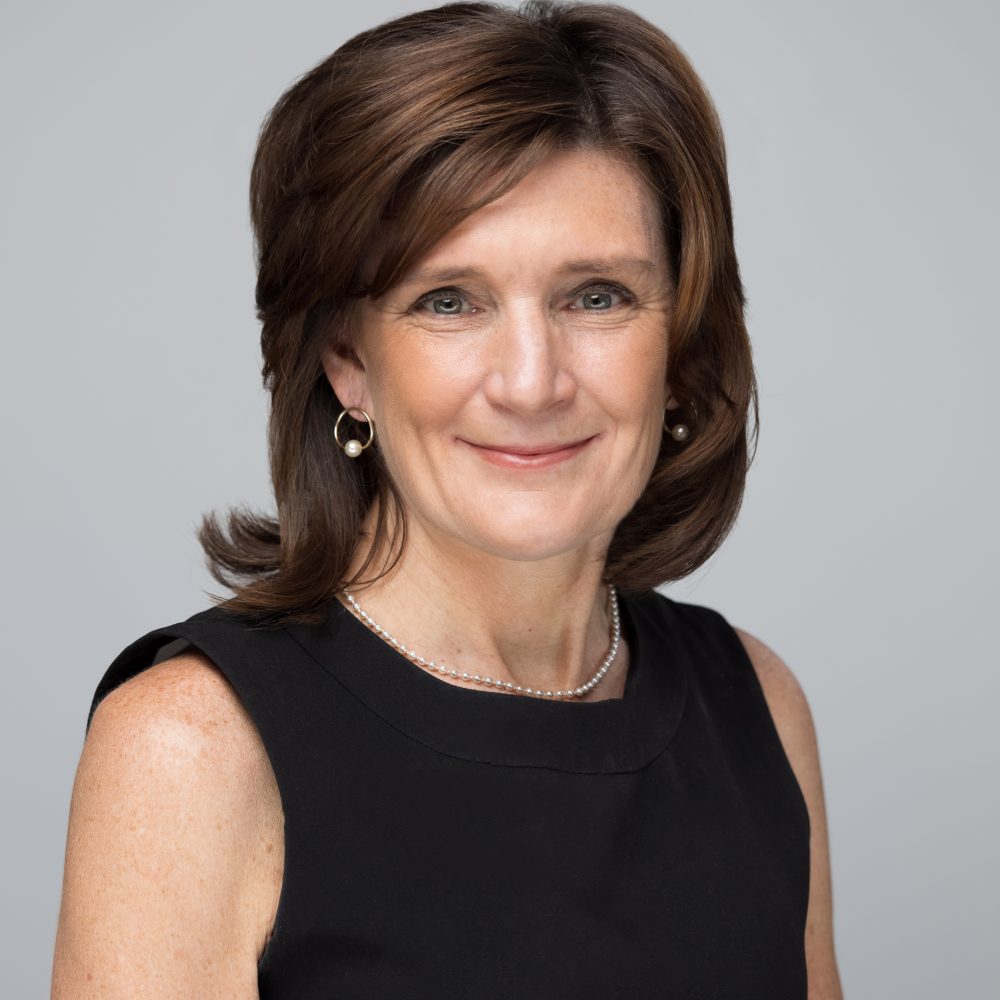
Gwen K. Young is the CEO of the Women Business Collaborative. She is also a Visiting Scholar at the Elliot School of International Affairs, George Washington University and former Director of the Global Women’s Leadership Initiative at the Wilson Center. She is an Advisor to Concordia. Ms. Young has worked across the globe to promote economic development, good governance and peace. She has developed strategy, programming and advocacy in the areas of humanitarian policy, international affairs and international development. This includes developing public private partnerships focused on public health, agriculture, gender equality, and access to finance. Further, Ms. Young has advocated for and published on international criminal law and designed SGBV guidelines. As an attorney, Ms. Young has worked as a professional advocate for women and human rights in corporate law settings, with the ICTY and the Kroc Institute for Peace and Justice at the University of San Diego. Her career has encompassed a comprehensive array of international organizations including the Bill & Melinda Gates Foundation, Medecins Sans Frontieres, International Rescue Committee, and the Harvard Institute for International Development. An alumna of Smith College, Harvard’s Kennedy School of Government and the University of California Davis, School of Law, Ms. Young has pursued a career of international public service focused on humanitarian relief, international development, and human rights starting with gender equality and equity.
View all posts
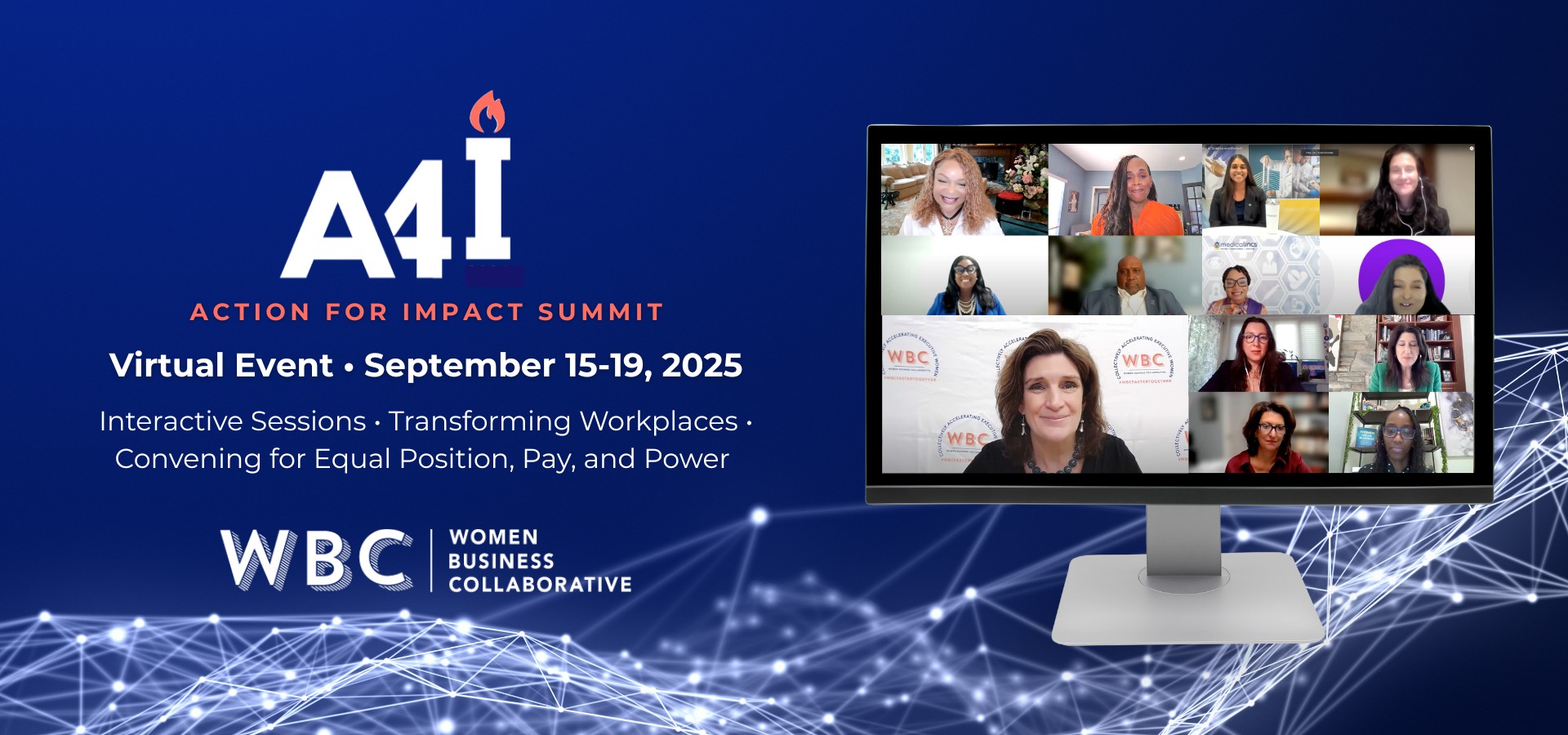

 CLICK “LEARN MORE” TO REGISTER